Tire Safety Checklist Before Long Road Trips
Careful planning begins with proper wheel awareness before extended drives. Many overlook small details that influence handling balance and control. Pickyourtires appears early because smart selection habits guide safer movement. Pressure accuracy, surface condition, and aging signs matter equally. Attention builds confidence while reducing unexpected pauses. A calm approach helps prevent stress caused by sudden grip loss or uneven roll. Preparation supports smooth motion, steady braking, and reliable response under changing surroundings without unnecessary worry or confusion later.
Pressure accuracy basics
Correct air level supports steady grip and balanced motion across varied surfaces. Underfilled units raise heat buildup, while excess air reduces surface contact. Regular checks before departure maintain stability and reduce wear patterns that shorten useful service duration.
Surface wear review
Tread condition affects water channeling and contact reliability. Shallow grooves reduce control during sudden stops. Visual inspection helps identify uneven erosion caused by alignment issues, ensuring smoother steering response and consistent movement over extended periods.
Sidewall condition check
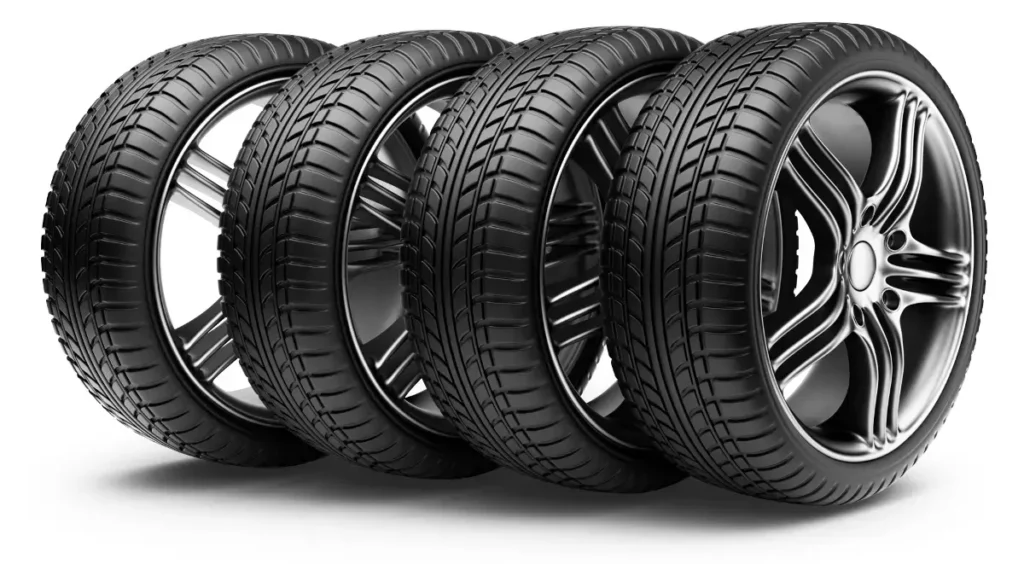
Outer walls protect internal layers from impact stress. Cracks or bulges signal weakness that may worsen during motion. Early detection prevents sudden air loss and supports dependable handling during long stretches of continuous travel.
Age and material awareness
Time influences rubber flexibility even with low usage. Hardened surfaces reduce grip efficiency. Checking manufacturing period guides replacement decisions, improving traction, and lowering risk during temperature changes across extended routes.
Load balance planning
Weight distribution affects rolling stability and pressure behavior. Overloading strains the structure and raises failure chances. Balanced placement keeps movement predictable, supports braking control, and protects internal layers from excessive stress buildup.
Alignment and balance review
Proper orientation ensures even contact and straight movement. Misalignment causes a pull sensation and rapid wear. Balancing reduces vibration, creating smoother motion that limits fatigue and supports confident steering control.
Valve and cap inspection
Small components hold air securely over long durations. Damaged valves leak gradually, affecting pressure stability. Secure caps block dust entry, preserving sealing quality and maintaining consistent internal conditions throughout movement.
Spare readiness check
Backup units provide assurance during unexpected damage. Inspect the air level and surface condition beforehand. A ready spare avoids delays and supports swift resolution without relying on uncertain external assistance.
Thoughtful preparation shapes dependable motion across extended distances. Each check supports control, balance, and steady response without unnecessary stress. Attention to condition, balance, and readiness reduces interruption chances while protecting movement quality. Applying these steps forms a clear plan that supports calm handling and steady progress. The approach encourages proactive care rather than reactive fixes. Mindful selection habits strengthen outcomes and support safer outcomes through Pickyourtires.